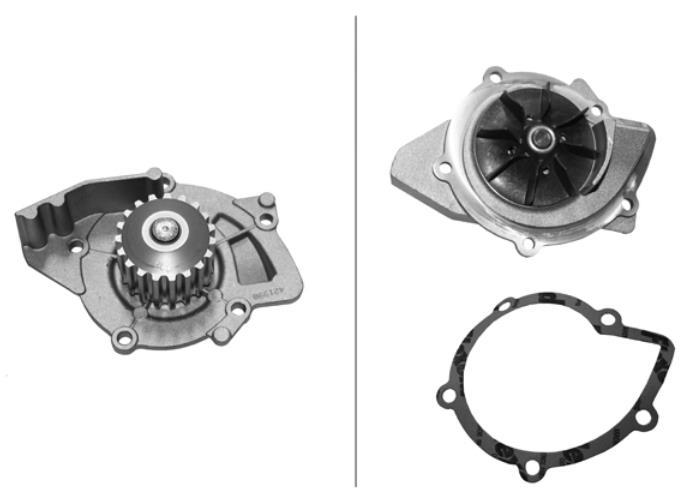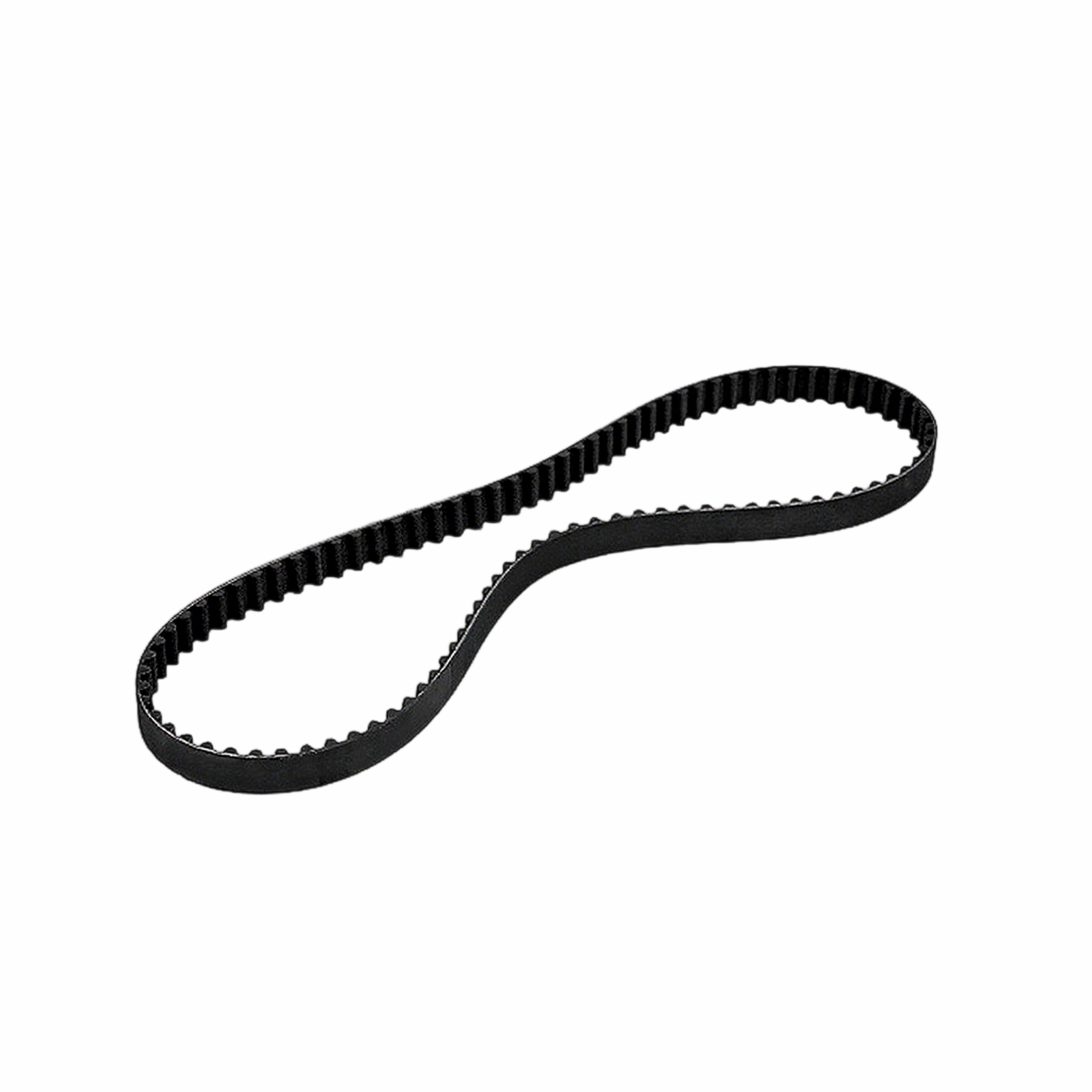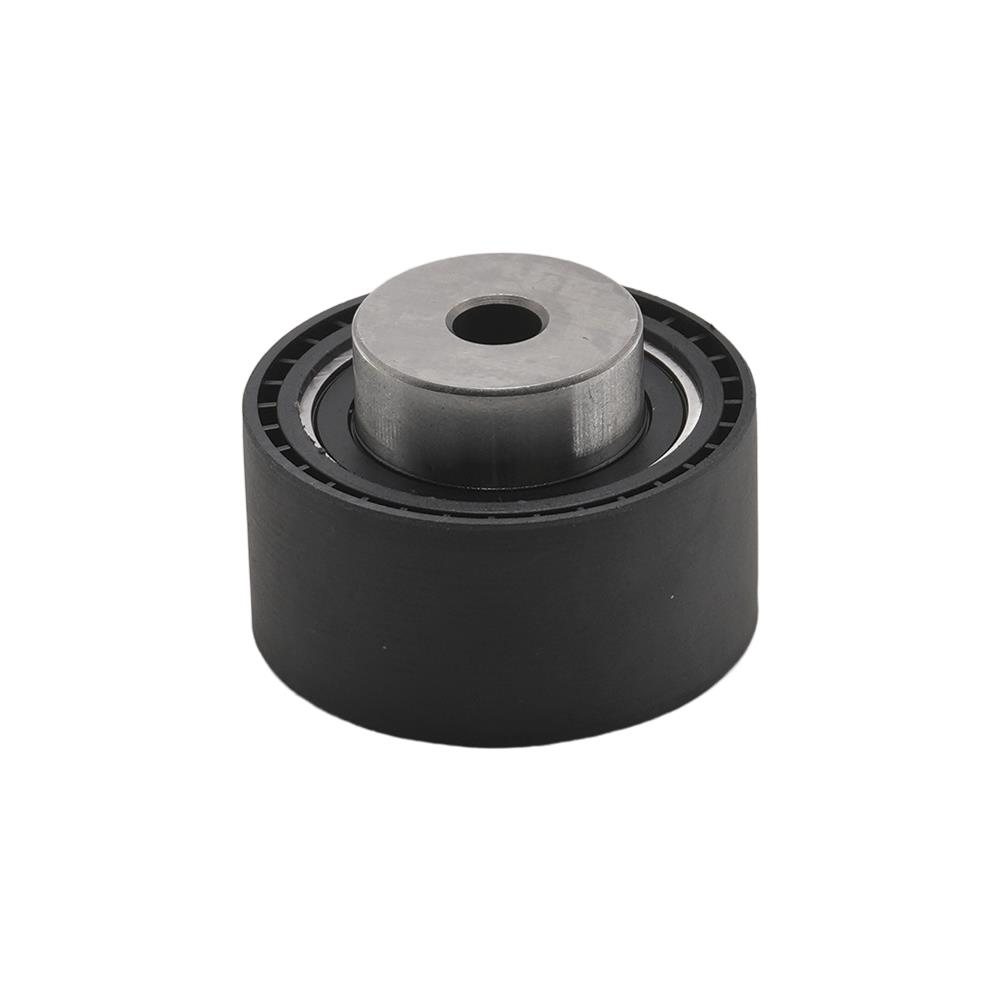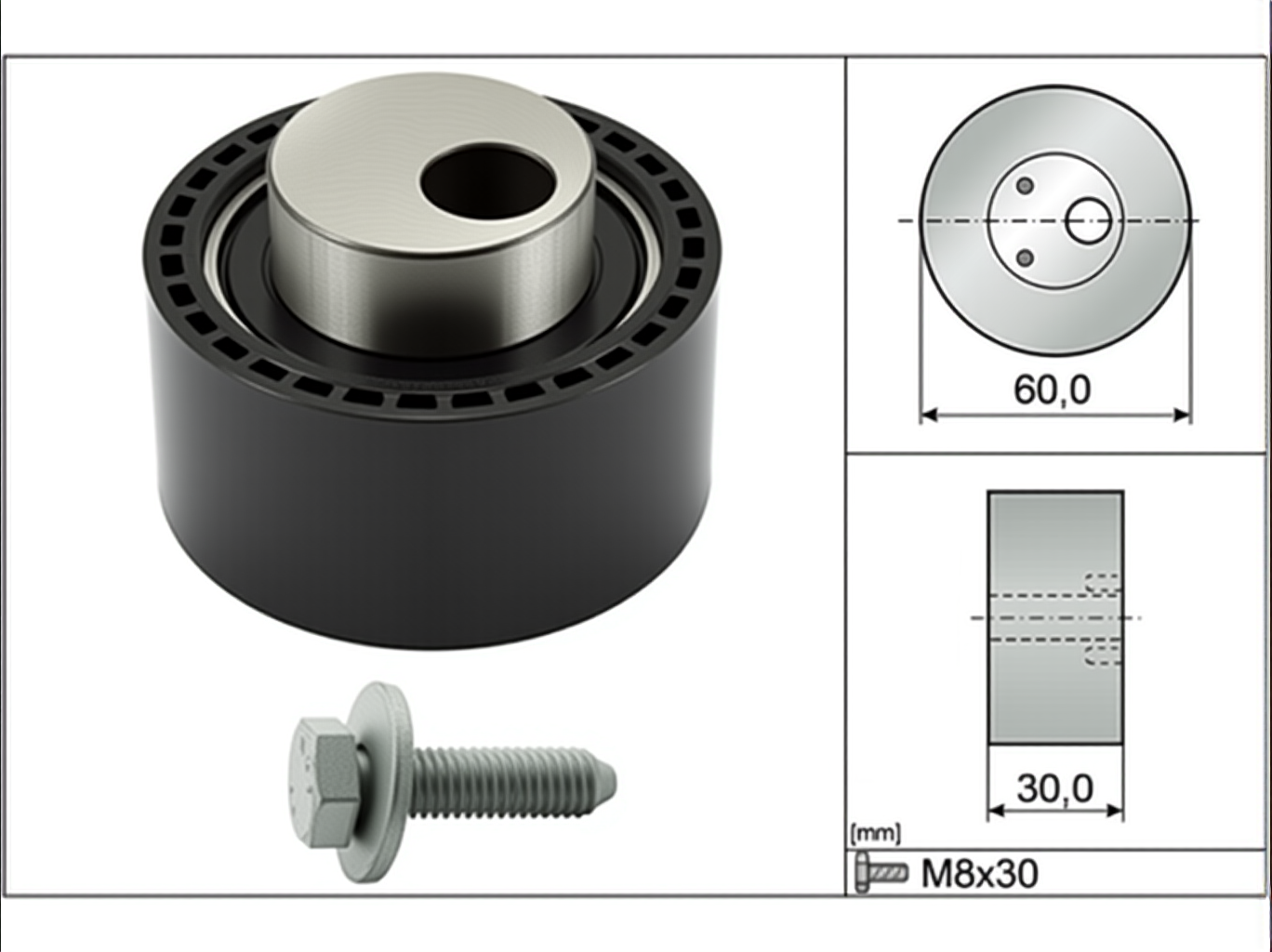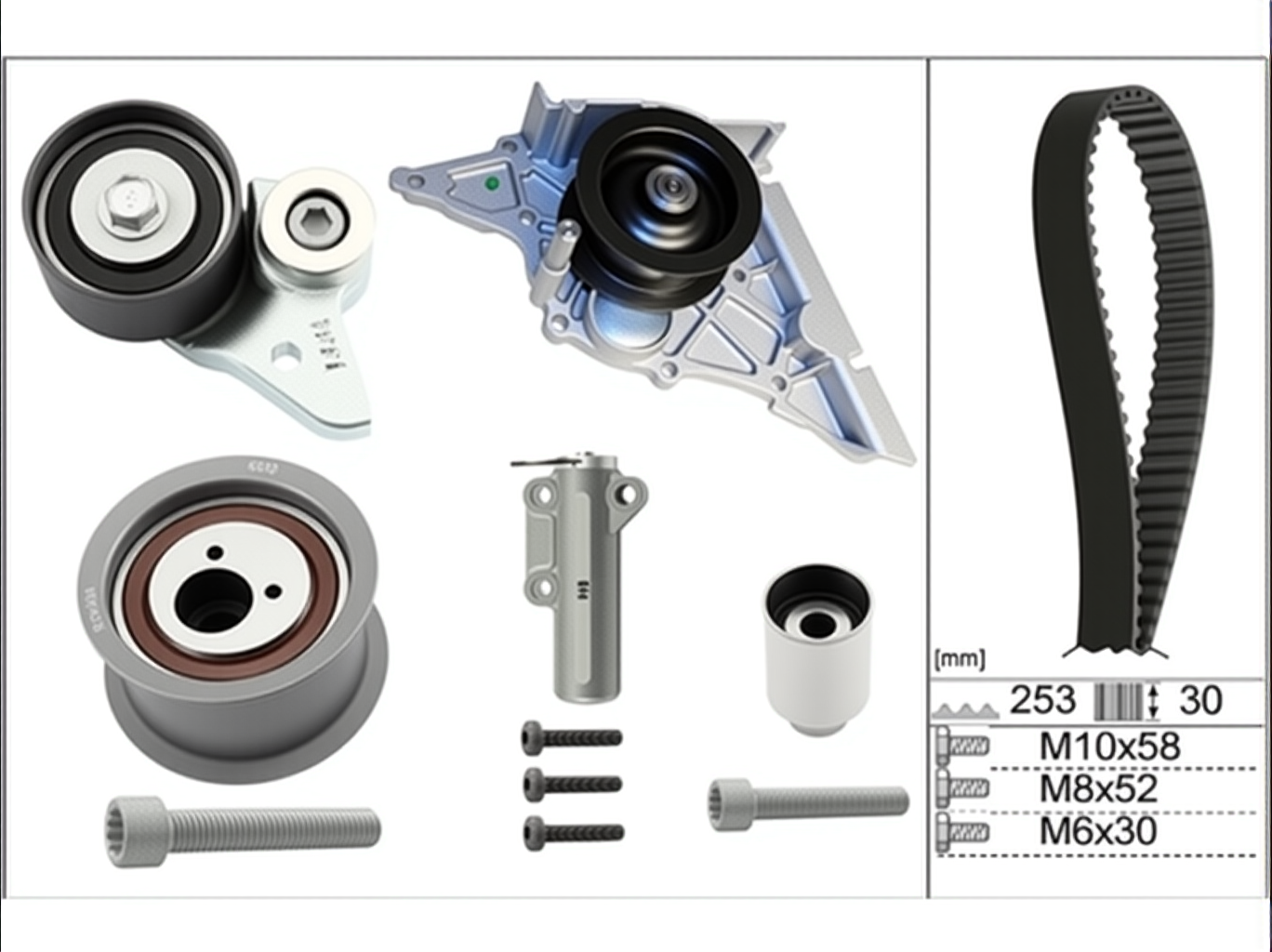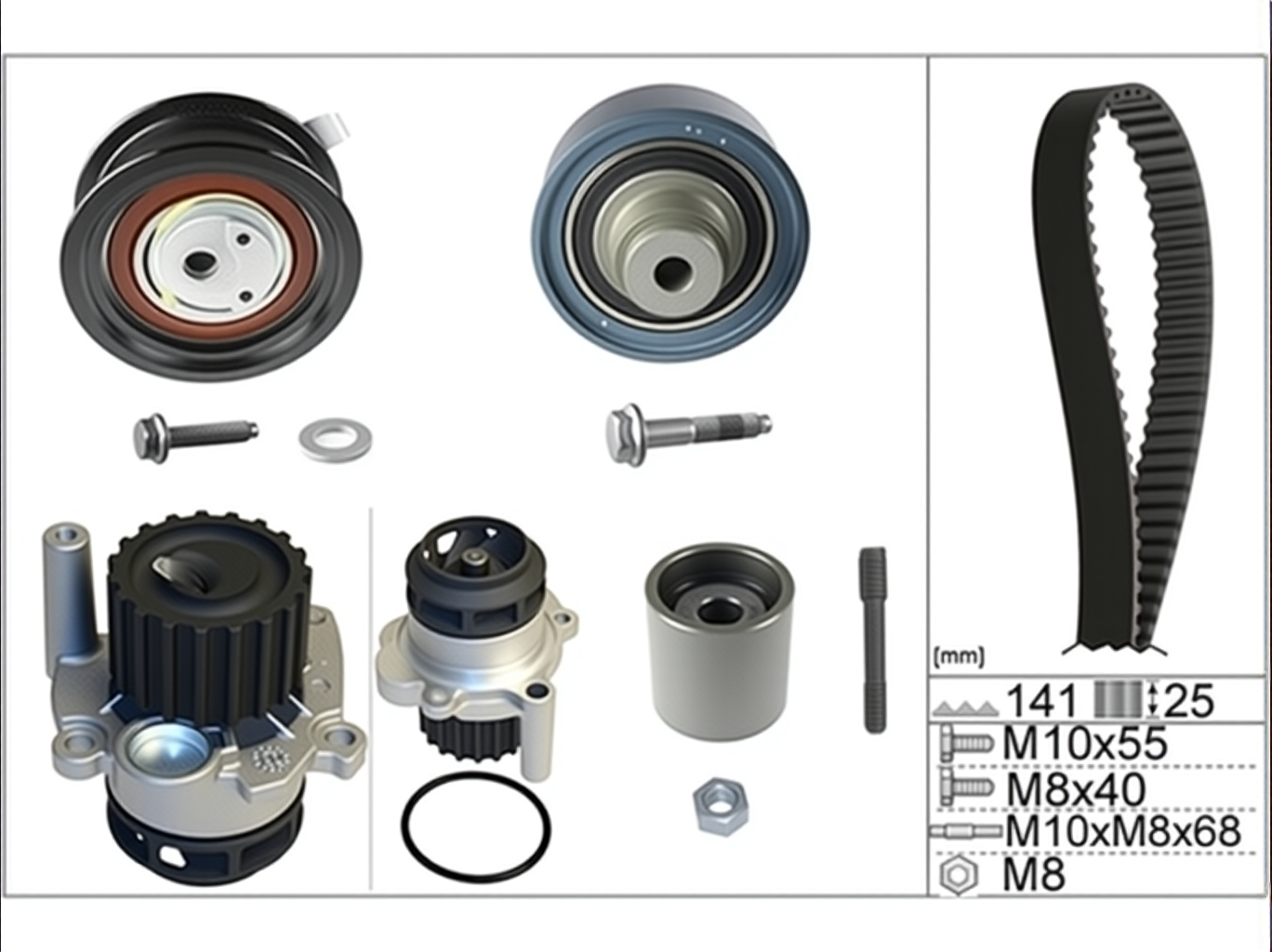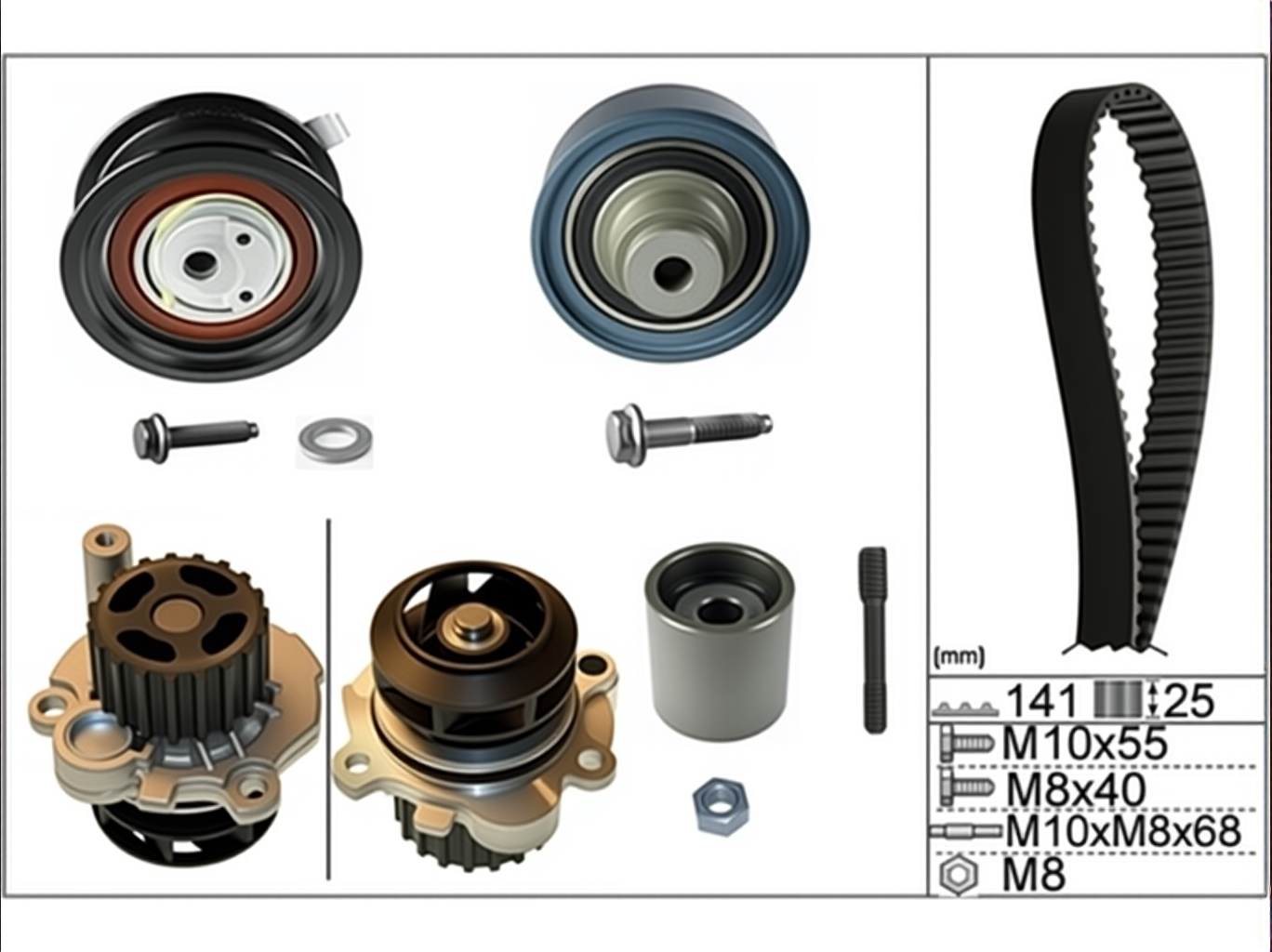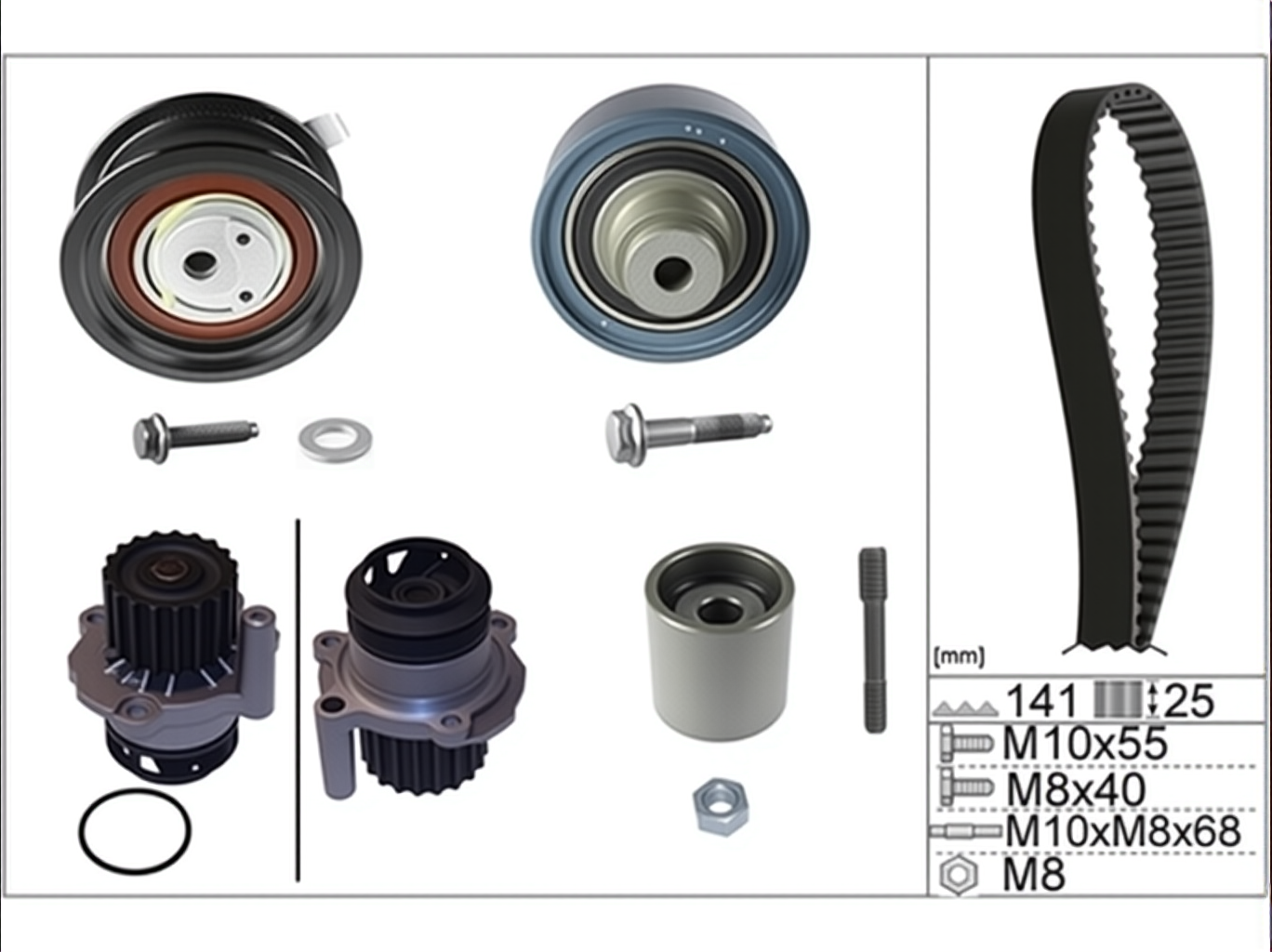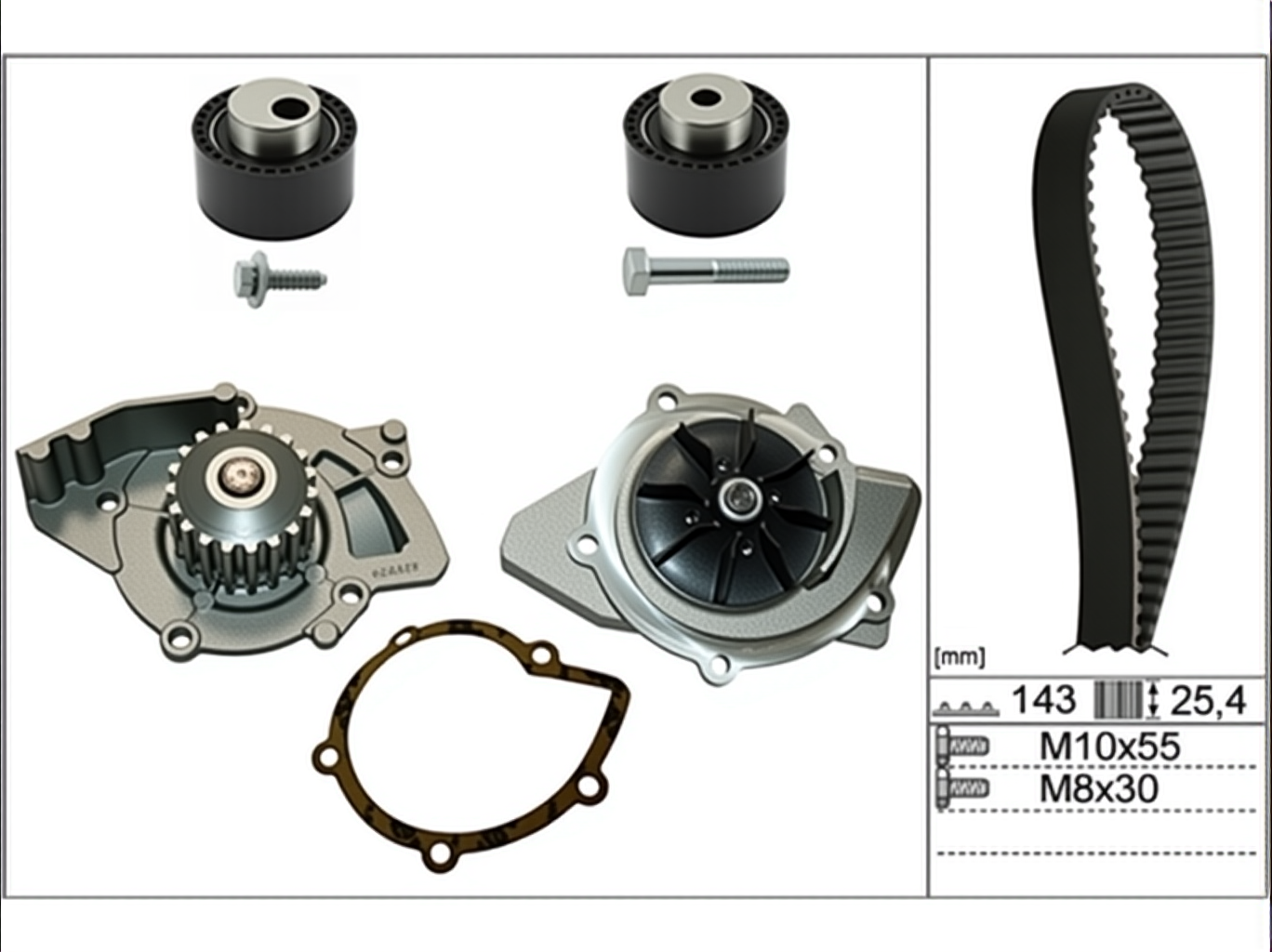

Article number: S530 0368 30 FOCUSON ENGINE's product is cross-referenced with this one.
The timing belt synchronizes the camshaft and crankshaft, while the water pump circulates coolant. Together, they prevent engine overheating and ensure optimal performance.
Tailored for wholesale and OEM needs, our 530 0368 30 support OE number cross-reference. Please consult our sales team for MOQ and procurement details.
Details
|
Supplementary Article/Supplementary Info with water pump |
|
Number of Teeth 1 143 |
|
Width 1 [mm] 25,40 |
|
Observe service information |
Parts List
OEM Numbers
Vehicle Fitment
| Make | Model | Type | Engine Code | Capacity | Fuel Type | Year | Power |
|---|
| PEUGEOT | BOXER Bus (244, Z_) | 2.2 HDi | 4HY (DW12UTED) | 2179 CCM / 2.2 L | Diesel | 2001-12-01 2006-06-01 |
74 KW / 101 PS |
| CITROËN | JUMPER Bus (244, Z_) | 2.2 HDi | 4HY (DW12UTED) | 2179 CCM / 2.2 L | Diesel | 2002-04-01 2006-06-01 |
74 KW / 101 PS |
| PEUGEOT | BOXER Platform/Chassis (244) | 2.2 HDi | 4HY (DW12UTED) | 2179 CCM / 2.2 L | Diesel | 2001-12-01 2006-06-01 |
74 KW / 101 PS |
| PEUGEOT | BOXER Van (244) | 2.2 HDi | 4HY (DW12UTED) | 2179 CCM / 2.2 L | Diesel | 2001-12-01 2006-06-01 |
74 KW / 101 PS |
| CITROËN | JUMPER Van (244) | 2.2 HDi | 4HY (DW12UTED) | 2179 CCM / 2.2 L | Diesel | 2002-04-01 2006-06-01 |
74 KW / 101 PS |
| CITROËN | JUMPER Platform/Chassis (244) | 2.2 HDi | 4HY (DW12UTED) | 2179 CCM / 2.2 L | Diesel | 2002-04-01 2006-06-01 |
74 KW / 101 PS |
Overview
| Car models | PEUGEOT BOXER Bus (244, Z_); CITROËN JUMPER Bus (244, Z_); PEUGEOT BOXER Platform/Chassis (244); PEUGEOT BOXER Van (244); CITROËN JUMPER Van (244); CITROËN JUMPER Platform/Chassis (244) |
| Engines | 4HY (DW12UTED) |
| Engine power (horsepower) | 101-101 HP |
| Power (kilowatts) | 74-74 KW |
| Year of manufacture | 2001-2006 |
FAQs
Kits typically include the timing belt, tensioners, water pump, and sometimes additional components.
Benefits include convenience, cost savings, and ensuring all components are compatible and properly installed.
It ensures proper engine timing and cooling, reducing the risk of misfires and overheating.
Replacing both simultaneously prevents future failures and reduces maintenance costs.